Clean, uncontaminated water is something most business owners take for granted — until something goes wrong. Backflow is one of those plumbing issues that rarely comes up in conversation but carries serious consequences when it’s not properly managed. For commercial properties in the Inland Empire, understanding backflow prevention isn’t just good practice. In many cases, it’s a legal requirement.
What Is Backflow?
Under normal conditions, water flows in one direction — from the municipal supply into your building. Backflow occurs when that flow reverses, allowing water from inside your plumbing system to travel back into the public water supply or into clean water lines within your facility.
This reversal can happen in two ways. Backpressure occurs when pressure inside your system exceeds the pressure from the supply line, pushing water backward. Back-siphonage happens when a sudden drop in supply pressure — caused by a water main break or heavy demand nearby — creates a vacuum that pulls water in reverse.
Either way, the result is the same: potentially contaminated water mixing with clean water. In a commercial setting, that contamination can include chemicals, waste, fertilizers, cleaning agents, or other hazardous materials depending on the nature of your business.
Why Commercial Properties Face Greater Risk
Residential backflow concerns are relatively limited. Commercial properties are a different story. Restaurants, medical offices, manufacturing facilities, car washes, landscaping companies, and many other businesses use water in ways that create a meaningful risk of contamination if backflow occurs.
A restaurant kitchen, for example, has direct connections between the water supply and equipment that comes into contact with food and waste. A facility that uses chemical cleaning solutions has similar exposure. The higher the risk of contamination, the more critical it becomes to have proper backflow prevention in place.
How Backflow Prevention Devices Work
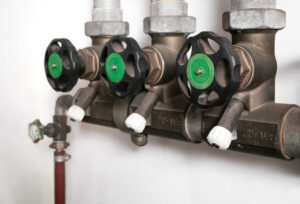
A backflow preventer is a mechanical device installed on your water lines that allows water to flow in only one direction. If pressure conditions change and water begins to reverse course, the device closes automatically, blocking the contaminated water from entering the supply line.
There are several types of backflow preventers, and the right one for your property depends on the level of risk involved and how your plumbing system is configured. A licensed plumber can assess your facility and recommend the appropriate device for each connection point that requires protection.
Testing and Compliance Requirements
Installing a backflow preventer isn’t a one-time task. Most local water agencies and municipalities — including those throughout the Inland Empire — require that backflow prevention assemblies be tested annually by a certified tester. These tests confirm that the device is functioning correctly and that your water supply remains protected.
Failing to maintain your backflow prevention devices can result in fines, failed inspections, and in serious cases, liability if contamination affects employees, customers, or the broader water supply. Staying current on testing requirements is part of responsible building management.
Don’t Wait for an Inspection to Flag the Problem
Many business owners only learn their backflow prevention is inadequate or out of compliance when an inspector points it out. Proactively scheduling an assessment puts you ahead of that situation and ensures your facility meets current standards without the pressure of a deadline.
Lincoln Plumbing & Rooter Is Here to Help
The team at Lincoln Plumbing & Rooter has experience working with commercial properties across the Inland Empire on backflow prevention installation, testing, and compliance. Whether you need a new device installed or want to confirm your existing system is up to code, we’re ready to help. Call (909) 780-0887 today to schedule a commercial plumbing assessment.

