For restaurants, commercial kitchens, and food-service businesses, grease traps are not optional—they’re essential. These systems protect plumbing infrastructure by capturing fats, oils, and grease (FOG) before they enter sewer lines. When grease traps are improperly sized or poorly maintained, the result can be backups, fines, and operational disruptions that no business can afford.
Understanding how grease traps function—and why compliance matters—helps business owners avoid costly mistakes.
What a Grease Trap Is Designed to Do
Grease traps intercept wastewater from sinks, dishwashers, and kitchen equipment, separating grease from water before it flows into the sewer system. Because grease hardens as it cools, allowing it into sewer lines can lead to severe blockages and backups.
A properly functioning grease trap:
- Captures fats, oils, and grease before they reach sewer lines
- Prevents pipe blockages and overflows
- Protects municipal sewer systems
- Helps businesses remain code-compliant
Grease traps are a frontline defense against plumbing failures in food-service environments.
Why Proper Sizing Is Critical
One of the most common problems with grease traps is improper sizing. A trap that’s too small fills up quickly and loses effectiveness, allowing grease to pass through. An oversized system may not function efficiently for the operation’s actual output.
Correct sizing depends on factors such as:
- Type of food preparation
- Number of sinks and fixtures
- Volume of wastewater produced
- Local plumbing code requirements
Proper sizing ensures the trap can handle daily operations without constant issues.
What Happens When Grease Traps Are Neglected
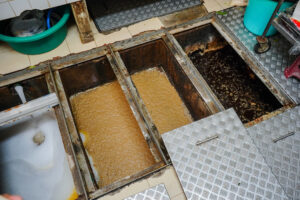
Without regular service, grease traps accumulate grease and solids, reducing capacity and performance. Once a trap becomes overwhelmed, grease can bypass the system entirely.
Consequences of neglect include:
- Slow drains and backups
- Foul odors in kitchens or dining areas
- Emergency plumbing repairs
- Health code violations and fines
- Temporary business closures
Preventative service is far less costly than emergency response.
Compliance Isn’t Optional for Commercial Properties
Local municipalities enforce strict grease management regulations. Failure to comply can result in citations, penalties, or forced shutdowns—especially for repeat violations.
Compliance typically requires:
- Proper grease trap installation
- Routine cleaning and service
- Accurate service documentation
- Adherence to local inspection schedules
Working with a professional plumbing provider helps ensure compliance is maintained consistently.
Grease Traps Protect More Than Your Pipes
Beyond plumbing protection, grease traps play a role in public health and environmental responsibility. Preventing grease from entering sewer systems reduces the risk of blockages that can lead to environmental contamination or municipal system failures.
For businesses, this means fewer disruptions and a stronger reputation with regulators and customers alike.
Why Professional Service Makes a Difference
Grease trap systems must be evaluated, serviced, and maintained correctly to remain effective. Professional plumbers understand local codes, system requirements, and warning signs that indicate problems before they escalate.
Lincoln Plumbing & Rooter provides expert grease trap services tailored to commercial kitchens and food-service operations, ensuring systems are properly sized, compliant, and functioning as intended.
Protect Your Business with the Right Grease Trap Strategy
Grease traps are easy to overlook—until something goes wrong. Proactive planning, proper sizing, and consistent service help businesses avoid emergencies and stay focused on operations.
If your business relies on a grease trap system, contact Lincoln Plumbing & Rooter at (909) 780-0887 to schedule service or ensure your system meets current compliance standards.

