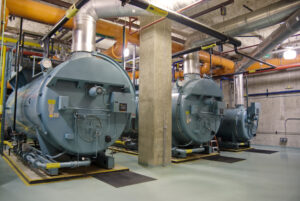
 Hot water is a non-negotiable necessity for many businesses. Restaurants, hotels, medical facilities, gyms, and manufacturing operations all rely on consistent hot water to operate safely and efficiently. When a commercial water heater begins to fail, the impact is often immediate—and expensive. Recognizing early warning signs can help businesses avoid emergency shutdowns, unhappy customers, and lost revenue.
Why Commercial Water Heater Failures Are So Disruptive
Unlike residential systems, commercial water heaters support high-demand environments. When a system fails, it can halt operations entirely, trigger health code issues, or force temporary closure.
Common consequences of failure include:
- Interrupted service or production
- Health and safety compliance violations
- Customer complaints and reputational damage
- Emergency repair or replacement costs
- Lost revenue from downtime
Because the stakes are higher, early detection is critical.
Inconsistent Hot Water Supply
One of the earliest signs of trouble is fluctuating water temperature. If hot water runs out faster than usual or temperatures vary unexpectedly, the system may be struggling to meet demand.
This often indicates internal wear, scaling, or failing components that reduce efficiency long before total failure occurs.
Unusual Noises from the System
Commercial water heaters are designed to operate quietly. Popping, banging, or rumbling sounds often signal sediment buildup or mechanical stress inside the tank or heat exchanger.
Left unaddressed, these issues can accelerate wear and shorten the lifespan of the system.
Visible Leaks or Moisture
Water around the base of a commercial water heater should never be ignored. Even minor leaks can indicate pressure issues, failing connections, or internal corrosion.
Small leaks often worsen quickly, leading to water damage and sudden system failure if not addressed promptly.
Rising Energy or Utility Costs
An aging or failing water heater often consumes more energy to produce the same output. Businesses may notice unexplained increases in utility bills as the system works harder to compensate for declining performance.
Addressing inefficiencies early can help prevent both mechanical failure and unnecessary operating expenses.
Capacity Issues During Peak Hours
If a water heater can no longer keep up during peak demand, it may be undersized for current usage—or nearing the end of its effective lifespan. Business growth, equipment upgrades, or increased customer volume can push older systems beyond their limits.
Evaluating capacity early helps businesses avoid sudden outages during critical operating hours.
Why Waiting Leads to Higher Costs
Many businesses delay addressing water heater issues until failure occurs. Unfortunately, emergency replacements are often more expensive, less flexible, and more disruptive than planned upgrades.
Proactive evaluation allows businesses to:
- Schedule replacements during off-hours
- Avoid emergency pricing
- Ensure proper system sizing
- Minimize operational disruption
Planning ahead protects both budgets and business continuity.
Professional Assessment Makes the Difference
Commercial water heater systems vary widely in design, capacity, and fuel type. Identifying early warning signs requires experience with commercial-grade equipment and usage demands.
Lincoln Plumbing & Rooter provides expert commercial water heater services designed to keep businesses running reliably, efficiently, and in compliance with applicable standards.
Protect Your Operations Before Failure Happens
Commercial water heater problems rarely appear overnight—they develop over time. Paying attention to early signs can save businesses from costly interruptions and emergency repairs.
If your business depends on hot water, contact Lincoln Plumbing & Rooter at (909) 780-0887 to schedule an evaluation and ensure your commercial water heater system is ready to meet demand.

