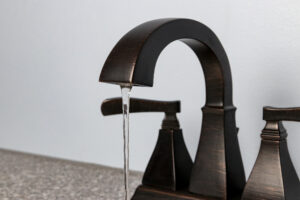
Few household frustrations compare to stepping into the shower only to be met with a weak, unsatisfying trickle. Low water pressure is one of those problems that’s easy to dismiss at first but can quietly point to something more serious going on inside your plumbing system. If you’ve been dealing with sluggish faucets or a shower that barely rinses the shampoo out of your hair, here’s what you need to know.
What Causes Low Water Pressure?
Low water pressure isn’t always a single-source problem. In fact, there are several potential culprits, and identifying the right one is key to fixing it effectively.
- Partially Closed Shut-Off Valves Your home has a main shut-off valve, and sometimes it gets partially closed after a repair or inspection without being fully reopened. If your pressure dropped suddenly after recent plumbing work, this is the first place to check.
- Clogged or Corroded Pipes Over time, mineral deposits and sediment can build up inside your pipes, narrowing the passageway water flows through. In older homes with galvanized steel pipes, corrosion is a common culprit that gradually reduces flow throughout the house.
- A Failing Pressure Regulator Many homes have a pressure regulator installed where the main line enters the property. When this device starts to fail, it can cause water pressure to drop — or in some cases, spike unpredictably. A faulty regulator typically requires professional replacement.
- Leaks in Your Plumbing System If water is escaping somewhere it shouldn’t be, less of it reaches your fixtures. Hidden leaks inside walls, under slabs, or in your yard can cause a noticeable drop in pressure throughout the home. This is one of the more serious causes because undetected leaks can lead to significant water damage over time.
- Municipal Supply Issues Sometimes the problem isn’t your home’s plumbing at all. If your neighbors are also experiencing low pressure, the issue may be on the utility side. Check with your water provider to rule this out.
What You Can Do on Your Own
Before calling a plumber, there are a few simple things worth checking. Make sure all shut-off valves are fully open. Clean or replace aerators on faucets — these small mesh screens trap debris and can restrict flow when clogged. You can also check your water meter valve, which is typically located near the meter outside your home, to confirm it’s fully open.
If the low pressure is isolated to a single fixture, the fix is often straightforward. If it’s affecting your whole house, that’s when it’s time to dig deeper.
When to Call a Professional
Whole-house low water pressure that doesn’t have an obvious cause — like a closed valve — usually points to a problem that requires professional diagnosis. Corroded pipes, a failing pressure regulator, or a hidden leak are not DIY fixes. Attempting to address these without the right tools and experience can make matters worse and lead to costly repairs down the road.
At Lincoln Plumbing & Rooter, our licensed plumbers use advanced leak detection technology and years of hands-on experience to get to the root of water pressure problems quickly. We serve homeowners throughout the Inland Empire with prompt, professional service and a commitment to getting it right the first time.
Contact Lincoln Plumbing & Rooter Today
Don’t let low water pressure go unchecked. Call (909) 780-0887 to schedule a diagnostic visit with the team at Lincoln Plumbing & Rooter. We’ll identify the cause and walk you through your options so you can get back to enjoying full, reliable water pressure throughout your home.

