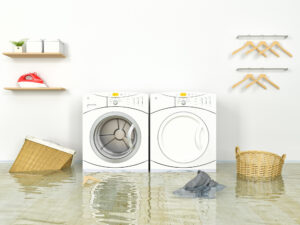
A washing machine overflowing during a laundry cycle is one of the most frustrating plumbing problems homeowners face. What starts as a routine load of laundry can quickly turn into a flooded laundry room, soaked flooring, and unexpected cleanup. While many people assume washing machine backups are caused by a faulty appliance, the real culprit is often the plumbing system behind it.
Understanding why these overflows happen can help you stop the problem early and protect your home from further damage. If you’re dealing with recurring overflow issues, Lincoln Plumbing & Rooter is here to diagnose the cause and restore your peace of mind.
Why Washing Machine Drains Overflow
When your washing machine drains, it releases a large volume of water rapidly. If the standpipe or drainage system cannot handle that flow, water has nowhere to go—so it backs up and spills onto the floor. Blockages, restricted pipes, or improper installation can create pressure that overwhelms the drain. While it may look like the machine is at fault, the plumbing system is often the real issue.
The Impact of Lint and Detergent Buildup
Over time, lint, fabric fibers, and detergent residue accumulate inside the washing machine drainpipe. This buildup gradually restricts water flow, making it harder for the drain to keep up with the machine’s output. High-efficiency washers, which release water forcefully and in large bursts, often make this problem more noticeable. A periodic cleaning from Lincoln Plumbing & Rooter can prevent buildup from causing recurring backups.
Clogs in the Main Drain Line
If multiple fixtures in your home drain slowly or you hear gurgling noises when your washing machine runs, the problem may lie in the main drain or sewer line. Tree roots, grease, scale, or collapsed pipe sections can disrupt water flow and cause wastewater to back up into the lowest fixture—which is often the washing machine. Ignoring these signs can lead to significant water damage and more expensive repairs. A camera inspection from Lincoln Plumbing & Rooter can pinpoint the issue quickly.
Improper Standpipe or Drain Installation
A washing machine requires a standpipe of the proper height and diameter to drain correctly. If the pipe is too short, too narrow, or lacks a proper trap, the system may overflow regularly. Older homes are especially prone to outdated or undersized standpipes that cannot handle modern washer output. A licensed plumber can identify installation issues and ensure your system meets current plumbing standards.
Ventilation Problems Within the Plumbing System
A blocked or improperly functioning vent pipe can prevent air from flowing through the drain system. Without adequate venting, negative pressure builds up and restricts drainage, eventually causing water to push back up through the standpipe. Homeowners rarely notice vent problems until backups occur in laundry rooms, sinks, or bathtubs. Professional inspection is the safest way to diagnose venting issues.
How to Prevent Washing Machine Overflows
Homeowners can reduce the risk of backups by:
- Cleaning the washer’s lint trap regularly
- Running the drain with hot water occasionally to reduce detergent residue
- Avoiding excessive detergent use, especially in HE washers
- Scheduling periodic drain cleaning to prevent buildup
- Watching for signs of slow drainage in nearby fixtures
These small steps help maintain smooth water flow and reduce stress on your laundry drain system.
When to Call a Professional Plumber
If your washing machine drain overflows more than once, or if other fixtures show signs of drainage issues, professional help is essential. A trained plumber can determine whether the problem is localized or part of a larger drainage concern. Contact Lincoln Plumbing & Rooter at (909) 780-0887 to schedule a thorough inspection. We’ll identify the exact cause, restore proper drainage, and protect your home from future flooding.

