Choosing a new water heater isn’t just about replacing what you already have—it’s an opportunity to improve comfort, efficiency, and long-term reliability in your home. For Inland Empire homeowners, the decision often comes down to two main options: traditional tank water heaters and modern tankless systems. Each has distinct advantages, and the right choice depends on how your household uses hot water every day.
Understanding how these systems differ can help you make a confident, informed decision.
How Traditional Tank Water Heaters Work
Tank water heaters store a set amount of hot water—typically between 30 and 80 gallons—and keep it heated until it’s needed. When hot water is used, the tank refills and reheats, maintaining a ready supply.
Tank systems are known for:
- Lower upfront installation costs
- Straightforward replacement for existing setups
- Reliable performance for predictable water use
For many households, especially those with consistent usage patterns, tank water heaters remain a practical and dependable option.
How Tankless Water Heaters Operate
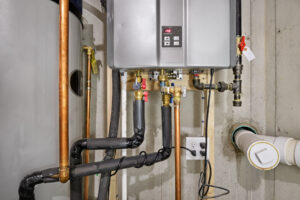
Tankless water heaters heat water on demand rather than storing it. When a faucet is turned on, water flows through a heating unit that warms it instantly. This design eliminates the need for a storage tank.
Tankless systems offer several distinct benefits:
- Continuous hot water without running out
- Increased energy efficiency
- Smaller footprint and flexible installation options
- Longer lifespan compared to traditional tanks
Homes with high or variable hot water demand often benefit from tankless technology.
Household Size and Usage Patterns Matter
One of the biggest factors in choosing between tank and tankless is how your household uses hot water. Larger families running multiple showers, appliances, and sinks simultaneously may experience limitations with smaller tank systems.
Tankless systems handle extended usage well, but may require upgraded gas lines or electrical capacity depending on the model and home infrastructure.
Energy Efficiency and Long-Term Costs
Tank water heaters consume energy throughout the day to keep stored water hot, even when not in use. Tankless systems only use energy when hot water is needed, which can lead to lower utility costs over time.
While tankless systems typically have higher upfront installation costs, many homeowners see savings over the lifespan of the unit through reduced energy usage and fewer replacements.
Space and Installation Considerations
Traditional tanks require dedicated floor space, often in garages or utility rooms. Tankless units are compact and can be wall-mounted, making them ideal for homes with limited space or modern layouts.
However, installation requirements vary. Proper sizing and professional installation are essential to ensure performance and safety.
Maintenance and Longevity Differences
Both systems benefit from professional service, but tankless units generally have a longer operational lifespan. Proper installation and periodic service help ensure reliable performance regardless of system type.
Choosing the right system upfront reduces the likelihood of premature replacement or performance issues down the line.
Which System Is Right for Your Home?
There’s no one-size-fits-all answer. The right choice depends on household size, water usage habits, energy goals, and budget considerations.
Lincoln Plumbing & Rooter helps Inland Empire homeowners evaluate their needs and choose water heater solutions that deliver reliable performance and long-term value.
Get Expert Guidance Before You Decide
Whether you’re replacing an aging system or planning a remodel, professional insight makes a difference. Understanding the pros and cons of tank and tankless water heaters ensures you invest in the option that fits your home—not just what’s familiar.
To discuss water heater options or schedule service, contact Lincoln Plumbing & Rooter at (909) 780-0887 and get expert help choosing the right system for your home.

