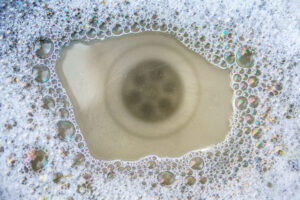
A slow drain rarely feels urgent. Water still goes down — it just takes a little longer than it should. For most homeowners, that’s not enough of a problem to prompt a call to a plumber. But that tendency to wait is exactly what turns a simple, inexpensive fix into a costly repair. Slow drains are almost never just a surface-level inconvenience. They are a symptom of something building up inside your plumbing system, and the longer that something is left unaddressed, the more damage it can cause.
What’s Actually Happening Inside Your Pipes
When a drain slows down, it’s because something is restricting the flow of water through the pipe. In most cases that restriction is the result of gradual accumulation — hair and soap scum in bathroom drains, grease and food debris in kitchen drains, or mineral deposits from hard water coating the interior walls of the pipe over time. In older homes, the issue may also involve deteriorating pipe materials that have roughened interiors where debris catches and accumulates more easily.
The important thing to understand is that these restrictions don’t stay the same size. They grow. Every time water passes through a partially blocked pipe, it deposits a little more material onto the existing buildup. What starts as a minor slowdown becomes a significant blockage, and eventually a complete stoppage — often at the least convenient possible moment.
The Damage That Builds Up Along the Way
The consequences of a slow drain extend well beyond the inconvenience of standing water in your sink or shower. Here’s what can develop when the underlying problem is left unaddressed:
- Pipe damage: Persistent blockages create pressure imbalances inside your plumbing system. Over time that added stress can accelerate wear on pipe joints and connections, increasing the risk of leaks developing at vulnerable points throughout the system.
- Sewage odors: Organic material trapped inside a slow drain decomposes over time, producing foul odors that can permeate your home. These odors aren’t just unpleasant — they’re a sign that bacteria are actively multiplying inside your pipes.
- Mold and moisture damage: Slow drains in showers and bathroom sinks can lead to water pooling on surrounding surfaces for extended periods. That persistent moisture creates ideal conditions for mold growth on grout, caulk, and adjacent building materials.
- Sewer line stress: When multiple drains in a home are slow simultaneously, the problem often lies deeper in the system — in the main sewer line rather than individual branch lines. A partial sewer line blockage that goes untreated can eventually result in a full sewage backup, which is among the most damaging and expensive plumbing emergencies a homeowner can face.
Why Store-Bought Drain Cleaners Aren’t the Answer
Chemical drain cleaners are a common first response to a slow drain, and they occasionally provide temporary relief. But they rarely fully clear a blockage, and repeated use can actually damage pipe materials — particularly in older homes with galvanized steel or PVC pipes. They also do nothing to address the root cause of the buildup, which means the slowdown returns, often worse than before.
Professional drain cleaning, including hydro jetting for stubborn buildup, thoroughly clears blockages and restores proper flow without the risks associated with chemical treatments.
How Lincoln Plumbing & Rooter Can Help
At Lincoln Plumbing & Rooter, we provide professional drain cleaning, camera inspections, and hydro jetting services for homeowners throughout the Inland Empire. Our experienced team can identify what’s causing your slow drains and deliver a lasting solution that protects your plumbing system from further damage.
Don’t wait for a slow drain to become a serious problem. Contact Lincoln Plumbing & Rooter today at (909) 780-0887 to schedule a service appointment.

